Rome
How to reach central Rome from Ostia by the Roma–Lido train and metro, itineraries for a day in the city and tips for getting back in the evening.
Staying in Ostia means having the sea on your doorstep and Rome a train ride away. Many of our guests spend the day in the city and come back to the coast in the evening for dinner and a good night’s sleep, far from the traffic and crowds of the centre.
Getting to the centre
The easiest way is the Metromare train, still known to all Romans as the Roma–Lido: Lido Centro station is about a 10-minute walk from our apartments, and the train runs to Porta San Paolo, next to the Pyramid of Cestius.
- From Ostia to Porta San Paolo takes about 30–35 minutes.
- At Porta San Paolo, change to metro line B (Piramide stop): two stops take you to the Colosseum (Piramide → Circo Massimo → Colosseo), and the line continues to Termini.
- Next door is Roma Ostiense railway station, handy for regional trains and Fiumicino airport.
- You need a standard Rome public transport ticket, valid on the Roma–Lido train, metro and buses. At metro stations you can also tap a contactless card directly at the gates.
All in all, Ostia to the Colosseum takes about 45 minutes.
Mind the evening timetable: in 2026 the last Roma–Lido departures are around 10:30 p.m. Always check the current timetable before a night out; if you stay late, a taxi is the easiest option.
By car: Via Cristoforo Colombo links Ostia with EUR and the centre. Much of the historic centre is a limited traffic zone (ZTL): better to park and take the metro.
Itinerary 1: Ancient Rome
Start at the Pyramid, where the train from Ostia arrives:
- Colosseum, Roman Forum and Palatine Hill (metro B, Colosseo stop). Book online in advance: at busy times tickets sell out.
- A walk around the Circus Maximus.
- Up to the Aventine Hill: the Orange Garden with its view over the city and the famous “keyhole” of the Knights of Malta square.
- Dinner in Testaccio, a genuinely Roman neighbourhood next to the Pyramid: very handy for the train back to Ostia.
Itinerary 2: the historic centre
Take metro B to Termini, then line A to Spagna or Barberini, to reach the most famous squares, all within walking distance of each other:
- Spanish Steps and Via Condotti
- Trevi Fountain: much quieter early in the morning
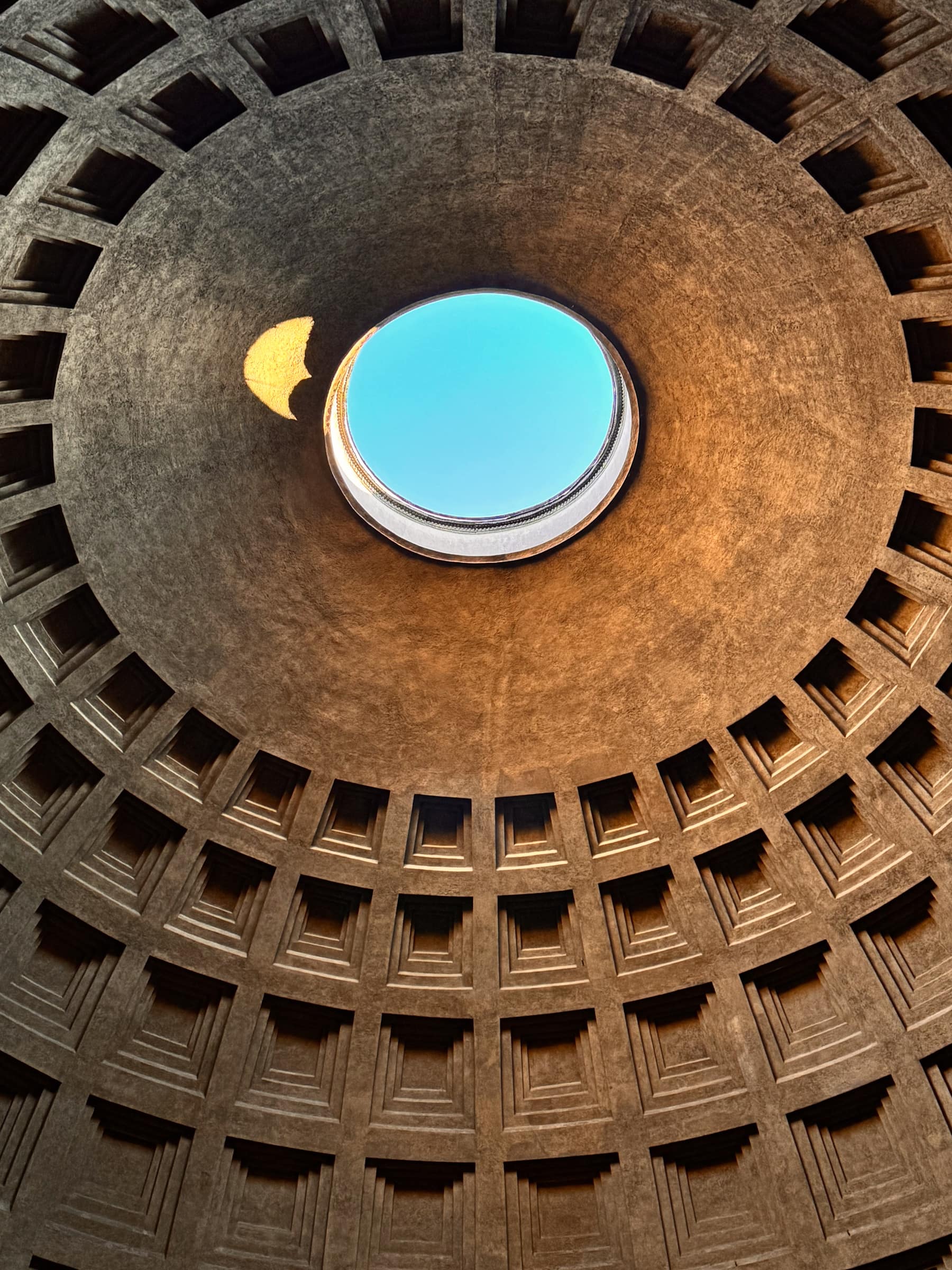
- Pantheon (ticketed entry)
- Piazza Navona and Campo de’ Fiori
Our tip: an evening in Trastevere
Our favourite neighbourhood is Trastevere, with its alleys, little squares and a genuinely Roman atmosphere. For dinner we go to Popi Popi (Via delle Fratte di Trastevere 45): thin, crispy Roman pizza, outdoor tables and lots of locals. Mind the last train from Porta San Paolo (around 10:30 p.m.), or take a taxi back.
Itinerary 3: the Vatican
Metro A to Ottaviano, then a few minutes’ walk to St Peter’s Square, the Basilica and the Vatican Museums with the Sistine Chapel. Book the Museums online; they are usually closed on Sundays, so check opening days before you go.
Practical tips
- One area per day: Rome is big, take it slowly.
- Comfortable shoes: you will walk a lot, often on cobblestones.
- Free water: the public fountains (“nasoni”) have fresh drinking water; bring a bottle.
- Churches: shoulders and knees covered.
- Tickets: buy only from official websites or ticket offices, and avoid street sellers.
Rome in 45 minutes
The Roma–Lido train to Porta San Paolo, then two metro B stops to the Colosseum: in about 45 minutes you are in the heart of Rome. In the evening, back to the sea to sleep.